Fitness Programs and Physical Preparation
The athletic development of a volleyball player depends on a strong foundation of specialized physical preparation programs. These programs focus on building the muscular strength, speed, and cardiovascular endurance necessary to achieve optimal performance on the court.
Principles of Basic Physical Preparation
Effective physical preparation is the foundation of a volleyball player's success throughout the various stages of the athletic season. This preparation requires a deep understanding of the game's physical and motor demands, with a focus on developing the basic components of fitness in a balanced way.
Physical preparation programs include multiple phases, starting with a period of building a general foundation and physical adaptation, then progressing to specialized phases that focus on the specific motor requirements of the game. The coach must consider individual differences between players and different age groups when designing the programs.
The basic components of physical preparation:
- Muscular strength and explosive power
- Speed, agility, and motor coordination
- Cardiovascular and muscular endurance
- Flexibility, balance, and stability
- Recovery and injury prevention
Phases of the Annual Training Program
The annual physical preparation program is divided into several successive phases, each with specific goals and a different focus on various aspects of fitness. This division allows for organized, gradual development and reaching peak performance during important competition times.
General Preparatory Phase
Focuses on building a general physical base and developing basic fitness. It includes varied exercises at a moderate intensity to improve general endurance and basic strength. The duration of this phase is usually 8-12 weeks, depending on the program's needs.
Specific Preparatory Phase
The focus here is on the specific physical requirements of volleyball. It includes developing explosive power, high speed, and agility. Training of advanced motor skills begins in conjunction with fitness development.
Competition Phase
Focuses on maintaining fitness levels and improving tactical performance. The volume of heavy training is reduced while maintaining intensity. It includes drills that simulate the demands of actual competitions.
Recovery and Regeneration Phase
A crucial period for the body to recover from the fatigue of the season. It includes light recovery exercises and focuses on flexibility and relaxation. It helps prevent long-term injuries and prepares for the next season.
Key Components of Specialized Physical Training
Developing a high-performance volleyball player requires an integrated focus on several physical components. Each component contributes in a specific way to improving the player's motor skills and competitive performance.
Developing Muscular Strength
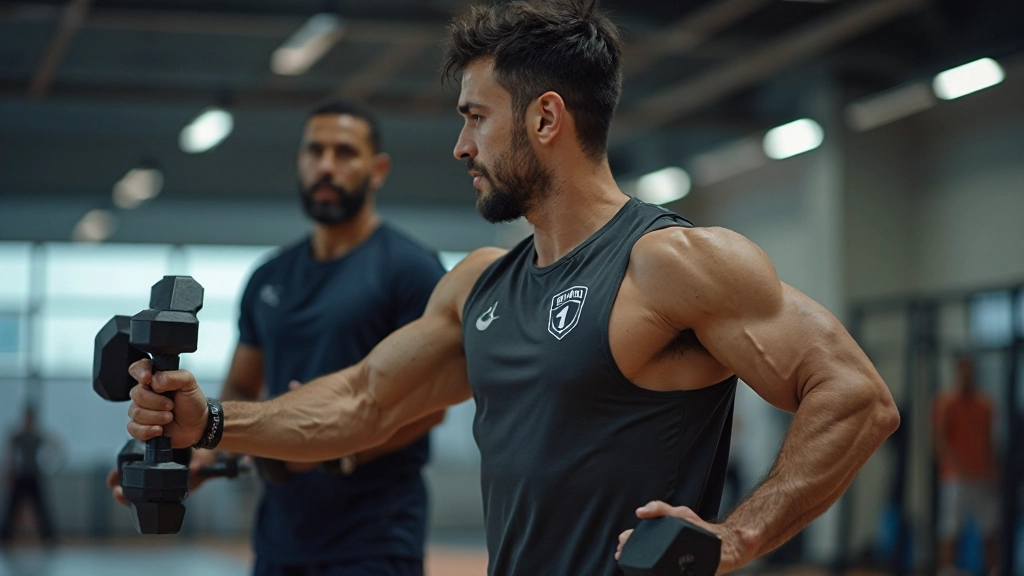
Strength exercises focus on the core muscles responsible for the various movements in volleyball. This includes the leg muscles for jumping, arm and shoulder muscles for hitting and serving, and core muscles for stability. Various techniques such as weightlifting, bodyweight exercises, and resistance training are used.
Speed and Explosive Power
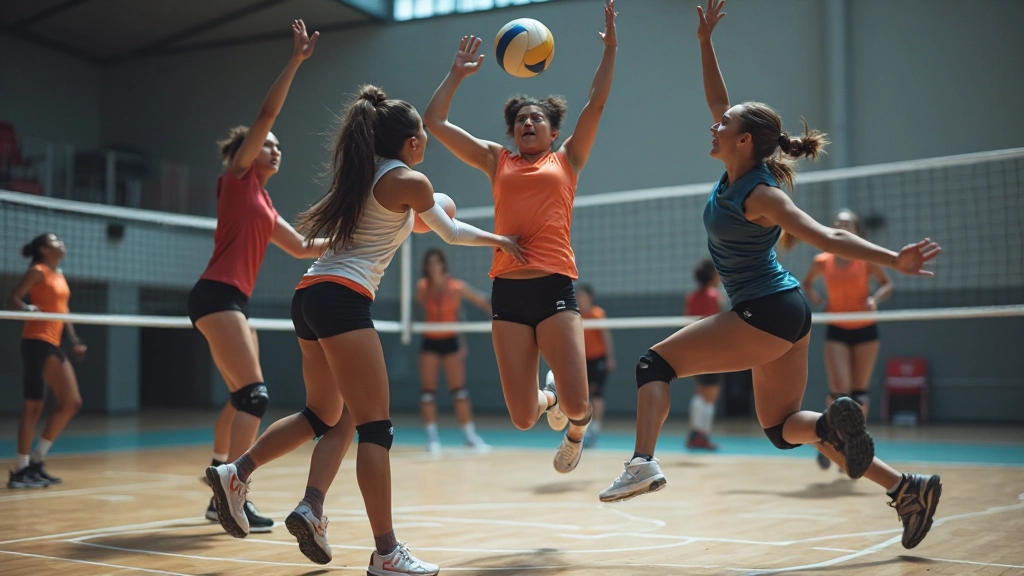
Developing the ability to produce great force in a short period is essential in volleyball. Programs include plyometric exercises such as vertical and horizontal jumps, motor speed development drills, and specialized explosive exercises. These exercises improve a player's ability to jump and move quickly.
Endurance and Aerobic Capacity
Performance in volleyball requires maintaining a high level of intensity for long periods. Endurance is developed through running, swimming, and cardio exercises. Training also includes drills that simulate the nature of the game with periods of high-intensity work followed by recovery periods.
Agility and Motor Coordination
Developing agility allows a player to change direction and speed quickly and efficiently. Exercises include lateral movements, quick direction-change drills, and exercises that improve coordination between different body parts. These skills are essential for defense and quick movement on the court.
Flexibility and Stability
Sufficient flexibility reduces the risk of injury and improves range of motion. It is developed through regular stretching and dynamic exercises. Muscular stability, especially in the core and shoulders, is necessary for safe and effective performance in all movements.
Important Educational Note
This content provides general educational information about physical preparation programs for volleyball. The programs and exercises described here provide educational guidance on comprehensive training principles. Each player has unique individual physical needs, and a specialized coach or sports medicine specialist should be consulted before starting any new training program, especially in the case of pre-existing health conditions or injuries. All programs must be adapted based on age, competitive level, and individual health status.
Advanced Training Methods and Techniques
There are several proven training methods used by specialized coaches to achieve effective results. The choice of the appropriate method depends on the program phase, specific goals, and available resources.
High-Intensity Interval Training (HIIT)
Alternates between periods of very high-intensity work and recovery periods. This method efficiently improves cardiovascular and muscular endurance in a short time. It mimics the nature of volleyball, which requires periods of intermittent high effort.
Circuit Training
Involves performing a series of different exercises in quick succession with short rest periods. This approach provides a comprehensive improvement in strength, endurance, and agility in a single session.
Strength and Power Training
Focuses on lifting heavy weights for a low number of repetitions to build maximum strength, then applying this strength at high speed to develop explosive power.
Sport-Specific Training
Exercises that simulate the actual movements and physical demands of volleyball, which improves the transfer of physical gains to actual performance in matches.
Principles of Effective Program Design
Progressive Overload
Gradually increasing the volume or intensity of training over time to avoid burnout and ensure continuous improvement and physical adaptation.
Variety and Specificity
A balance between varied exercises that develop overall fitness and specialized exercises that focus on the specific needs of the game.
Balance and Integration
Balanced development of all fitness components instead of focusing on just one, which reduces the risk of injury.
Recovery and Recuperation
Allocating sufficient time for rest and recovery because improvement occurs during rest periods, not during training itself.
Monitoring and Evaluation
Regularly assessing progress through standardized physical tests and performance measurements to ensure program effectiveness and make adjustments when needed.
Individualization and Adaptation
Customizing programs based on the individual needs of the player, their fitness level, personal goals, and their unique physical characteristics.
Conclusion and Practical Application
Specialized fitness and physical preparation programs form the backbone of volleyball player development. Success in this area requires a deep understanding of the game's physical demands, organized planning, and consistent execution of carefully designed programs.
Investing in an organized physical training program leads to clear improvements in athletic performance, a reduced risk of injury, and increased athletic longevity for the player. Physical training should be flexible and evolve with the needs of the player and the team, while maintaining the basic principles of effective and safe training.
Key Points to Remember:
- Organized physical preparation is essential for optimal performance in volleyball.
- The annual program should include multiple phases with specific goals for each phase.
- Balanced development of all fitness components reduces injuries and improves performance.
- Regular evaluation and adjustment are necessary to ensure continued improvement and effectiveness.
- Individualization and adaptation according to the player's individual needs are essential for optimal results.