Building Team Dynamics and Effective Cooperation
Innovative training methods to improve communication and coordination among team members and increase the efficiency of team play in volleyball.
The Importance of Team Dynamics in Volleyball
Team dynamics are the primary factor in the success of any professional or emerging volleyball team. Volleyball is inherently a team sport that requires precise coordination among all team members, as the success of the game depends on continuous communication and deep understanding between players.
When the team works as a cohesive unit, the chances of winning increase significantly. Players who trust each other and understand each other's strengths and weaknesses can execute tactical plans with higher precision. This cooperation leads to fewer mistakes and optimal use of opportunities.
Sports research confirms that teams with strong dynamics achieve superior long-term performance and can adapt to other teams' playing styles more easily.
Methods for Improving Communication Among Team Members
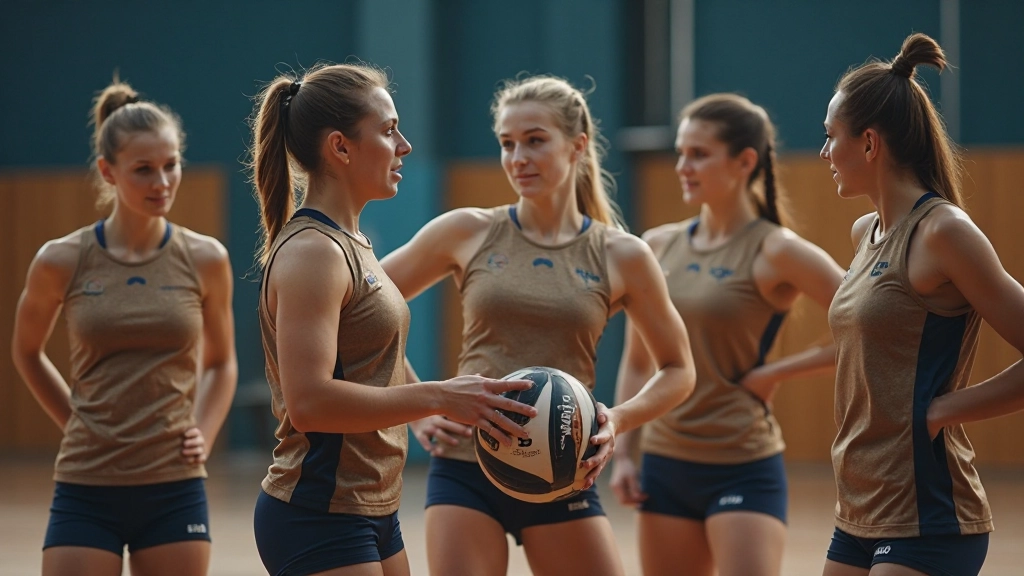
Effective communication is the cornerstone of building a strong team. Players must learn to speak and listen correctly during matches and training. There are several proven methods to improve communication:
Clear Auditory Signals
Using pre-agreed words like 'mine,' 'ball,' or 'front' helps players coordinate their movements quickly.
Eye Contact and Gestures
Direct eye contact between players and quick gestures enhance mutual understanding without the need for constant talking.
Regular Discussion Sessions
Holding regular meetings to discuss performance and listen to all players' opinions strengthens trust and mutual understanding.
Training on Quick Reading
Training players to read each other's intentions through movement cues deepens coordination.
Continuous Performance Evaluation
Giving constructive and immediate feedback helps players improve their performance quickly and understand the coach's expectations.
Building Trust and Solidarity
Practicing exercises that promote mutual trust and psychological support among members strengthens team bonds.
Educational Note
This content provides educational information on methods for developing sports teams and cooperation. It does not constitute professional advice or official training.
Teams should consult certified coaches and experienced sports professionals to apply these concepts. Results may vary depending on the team's level, available resources, and the specific circumstances of each case.
Practical Steps to Build Effective Cooperation
Building team dynamics is a gradual process that requires commitment and patience. Here are the important practical steps:
-
1
Defining Clear Roles for Each Player
Each player must understand their role and responsibilities on the court. The server must know they initiate play, the defender protects key areas, and the attacker focuses on finishing points. Clarity in roles eliminates confusion.
-
2
Specialized Training on Motor Coordination
Coordination and quick movement drills between players are very important. Exercises that require multiple players to move together improve mutual understanding and speed.
-
3
Practicing Real Game Scenarios
Simulation drills that mimic actual matches help the team get used to pressure and handle difficult situations with more confidence.
-
4
Building Trust Through Small Achievements
Celebrating small achievements and continuous progress boosts team morale. Even mistakes that are successfully corrected are considered achievements worthy of recognition.
-
5
Continuous Evaluation and Strategy Adjustment
Regular performance monitoring and readiness to adjust strategies when needed shows players that the coach is listening and cares about their improvement.
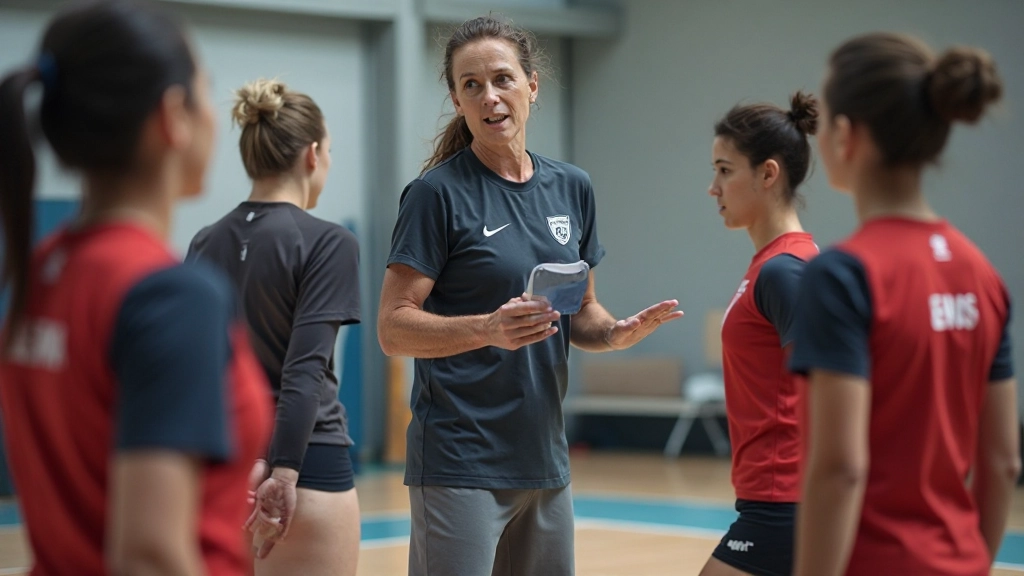
The Coach's Role in Enhancing Team Dynamics
The coach is the main leader in shaping team dynamics. Their role goes beyond teaching sports techniques to building the psychological and social environment that allows cooperation to flourish.
The coach must be a role model in effective communication and mutual respect. When the coach listens to players' concerns and treats them fairly, this behavior is reflected in the players' interactions with each other.
The coach must also balance strictness with flexibility. While intensive training is necessary for development, giving players space to make mistakes and learn from them helps build stronger characters and a more cohesive team.
Related Articles