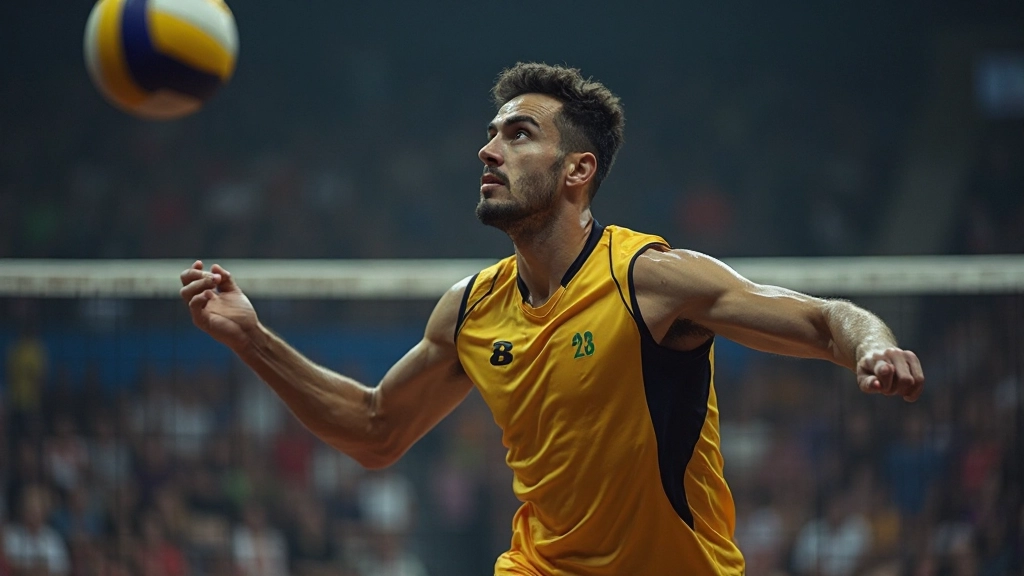
Mastering a Powerful and Accurate Serving Technique
Learn proven methods to develop a powerful and reliable serve that gives your team a competitive edge from the start of matches.
Read MorePractical strategies and proven techniques to improve your defensive abilities and increase ball control, reducing errors in matches and significantly enhancing your team's performance.
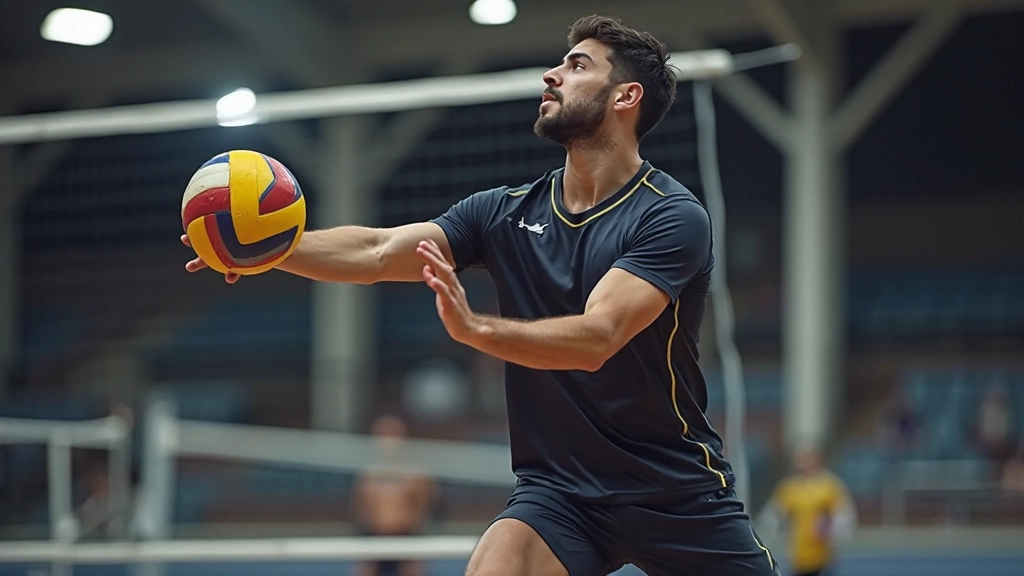
Defense is considered one of the most important fundamental skills in volleyball, forming the backbone of any strong team. A skilled defender is not just someone who stops the ball, but someone who can redirect it strategically to allow their team to build an effective offense. Effective defense requires a combination of quick movement, correct positioning, and high concentration.
Ball control refers to the ability to direct the ball accurately to the desired position, whether distributing it to teammates or strategically sending it to the opponent. When a player masters both defensive and control skills, they become a valuable asset to their team, increasing the likelihood of successful attacks and winning crucial points.
Standing correctly is the foundation of any effective defense. Your feet should be shoulder-width apart, with a slight bend in the knees to improve balance and the ability to move quickly in any direction. Your body should be slightly tilted forward, with your arms at waist level and ready for immediate movement. This stance allows for a quick reaction when the ball comes towards you.
Quick and effective movement is key to reaching the ball in time. Use small, quick steps to move around the court, avoiding large jumps that might affect your balance. Always run towards the ball instead of passively waiting, and try to get into an ideal position before the ball reaches you. This gives you more time to think and prepare your reaction.
The forearm pass is one of the most used techniques in defense. Keep your arms straight with one hand clasped inside the other, with thumbs pointing forward. When receiving the ball, use a simple upward motion from the forearms instead of moving your arms with great force. This technique provides the best ball control and accurate passing direction.
Low balls require special defensive skill. Bend from the waist with knees bent more, and don't wait for the ball – actively move towards it. Use your forearms to gently lift the ball and direct it towards the net or teammates. Remember that low balls often require more precise passing, so focus on control rather than power.
Ball control is not just about stopping or blocking it, but about accurately redirecting it to the desired position. This requires a deep understanding of rebound angles and the required impact force.
Track the ball with your eyes from the moment it leaves the opponent's hand until it reaches you. This helps you predict its trajectory and prepare for the appropriate position. Not losing sight of the ball significantly reduces errors.
Positioning yourself correctly on the court makes defense easier. Learn the opponent's playing patterns and anticipate potential attack paths. Proactive defense is much better than reactive defense.
Not every ball requires the same force. Balls close to the net need a light touch, while distant balls need more power. Developing a feel for the appropriate impact force comes with continuous practice.
Understand the opponent's offensive game plan. If you know they will attack from a certain position repeatedly, you can prepare in advance. This game intelligence transforms your defense from a reaction to an effective proactive movement.
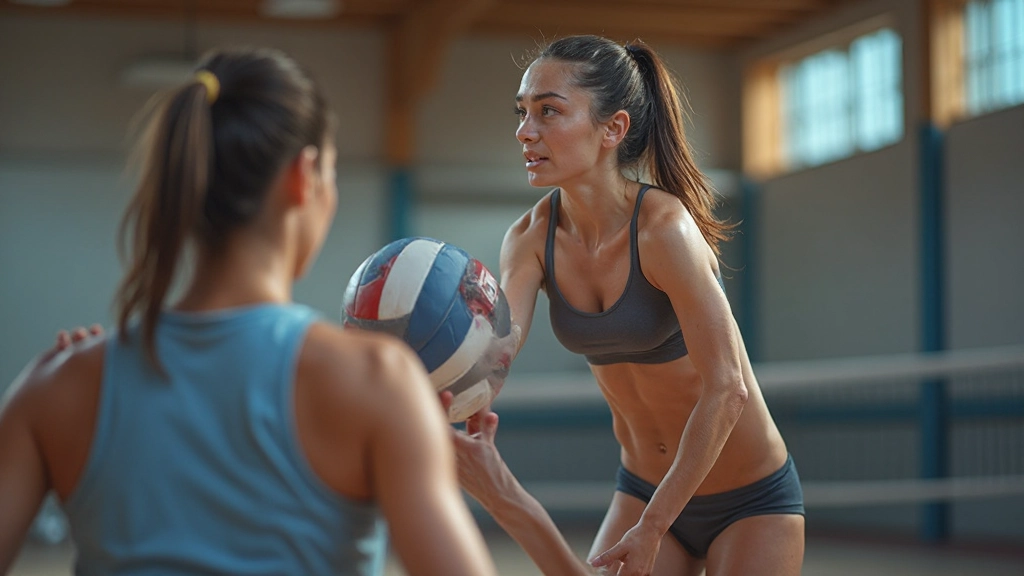
Repetition is key to mastering any skill. Dedicate regular time to practicing basic defensive movements over and over until they become reflexive actions that don't require conscious concentration. Focus on the quality of repetition rather than quantity.
Work with your teammates to develop defensive coordination. Practice mutual coverage and communication between players. Strong defense requires seamless cooperation, and this cannot be developed alone.
Practice matches provide a real context for applying defensive skills. Under real pressure, you will discover your weaknesses and opportunities for improvement. Do not underestimate the value of regular competitive play.
Review your match recordings to identify errors and patterns. Watch professional volleyball players and study their techniques. Self-analysis helps you understand deeper levels of your performance.
Speed and agility are essential for effective defense. Perform training exercises that focus on quick footwork and dynamic balance. Specialized agility drills improve your ability to respond quickly.
Mental training is as powerful as physical training. Visualize yourself successfully defending difficult balls. Positive visualization boosts confidence and improves actual performance on the court.
The information provided in this article is for educational and informational purposes only. It aims to provide an overview of techniques for developing defensive skills and ball control in volleyball. Results and progress may vary from person to person based on current fitness level, prior experience, and commitment to training.
It is highly recommended to work with a qualified volleyball coach to assess your individual needs and develop a customized training program. Every player has unique needs, and professionally guided training helps achieve the best results and avoid injuries. Warm up properly before any training and avoid excessive physical exertion.
Remaining in a completely upright position or reacting late to the ball reduces your chances of effective defense. Always maintain an active ready stance with your feet prepared for immediate movement.
Applying disproportionate force to the ball leads to inaccurate passes. Learn to feel the appropriate force needed for each different situation on the court.
Using only hands and fingers gives you less control over the ball. Forearms provide a larger surface and better control for difficult balls.
Silence on the court leads to confusion and defensive gaps. Communicate constantly with your team about who will defend which ball.
Defense requires muscular strength and good endurance. Neglecting physical training reduces your ability to sustain performance throughout the match.
Developing defensive skills and ball control is a continuous process that requires patience and commitment. Every practice match and every drill is an opportunity to improve your skills. Focus on the regular application of the techniques outlined here, and you will see a noticeable gradual improvement in your defensive performance and ball control ability.
Learn proven methods to develop a powerful and reliable serve that gives your team a competitive edge from the start of matches.
Read More
Innovative training methods to improve communication and coordination among team members and increase the efficiency of team play.
Read More
Advanced techniques for mastering spikes and high jumps while improving the power and speed of offensive play.
Read More